What is Lix?
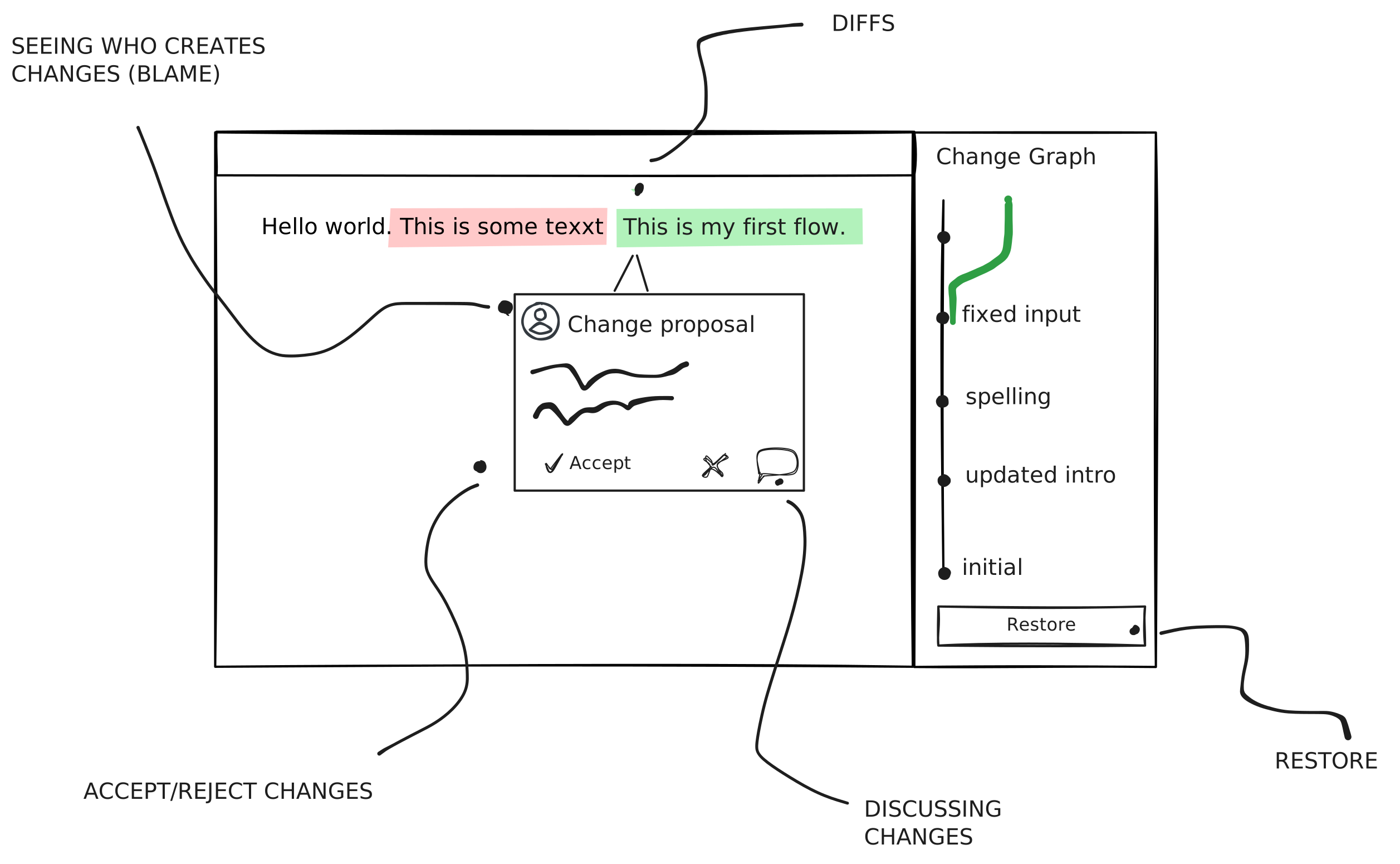
Lix is an embeddable change control system that enables Git-like features such as history, versions (branches), diffs, or blame for any file format and application.
What makes Lix unique:
- Supports any file format - Track changes in
.xlsx,.pdf,.jsonetc. via plugins. - SQL powered - History, versions, and diffs are all queryable via SQL.
- Embedded - Runs as a single SQLite file, persistable anywhere (local FS, S3, your database).
Features
Explore the core capabilities of Lix:
- History: Track every operation, not just snapshots. Know exactly what changed, when, and by whom.
- Versions (Branching): Create named versions and branches. Experiment safely without affecting the main state.
- Diffs: Compare any two points in time. See granular differences at the operation level.
- Change Proposals: Propose changes, review them, and merge them with confidence.
- Attribution: See who changed what line and when.
- Restore: Revert files or entire states to a previous version.
- Undo / Redo: Implement undo/redo functionality for your application state.
Use Cases
- AI Agent sandboxing: Agents propose changes, humans review and approve before applying.
- Applications with change control: Branch/merge-style reviews, audit trails, and versioning for structured data.